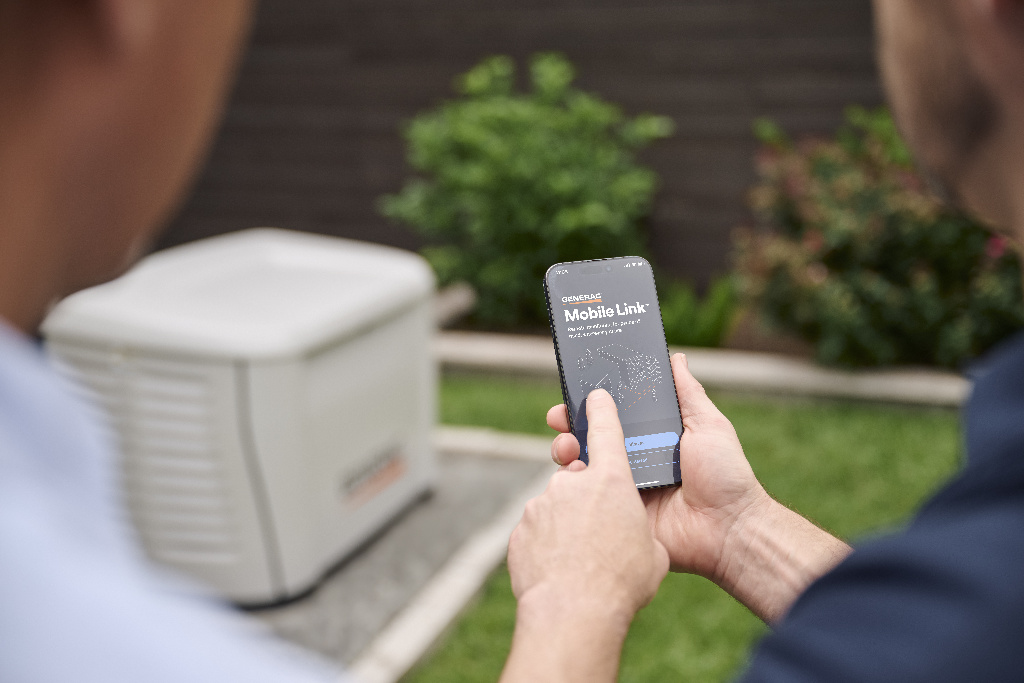
Generac Mobile Link for Homeowners

Emergency Power Solutions for Florida Homes

What They Are, Why They Matter, and Which Options Make Sense
When the grid goes down, what do you actually need to keep running — and what kind of backup power is built for that job?
“Emergency power” is a broad term, and that is exactly why many homeowners get stuck when they start researching it. Some solutions are built to keep a few electronics alive for a short period. Others are designed to run selected household circuits. Others are meant to restore power to most or all of the home automatically. The right choice depends on what you need to protect, how long outages tend to last, and how much manual setup you are willing to deal with when the power goes out. This matters in real life because outages affect more than lights and convenience. CDC says a refrigerator will keep food safe for up to 4 hours without power if the door stays closed, and a full freezer will keep food safe for about 48 hours, or 24 hours if it is half full. CDC also warns that lack of air conditioning during extreme heat can become a health issue during outages.

A remodel is the best time to find out whether your existing electrical system is still a good fit

Electrical problems do not always announce themselves with a dramatic outage. Sometimes the signs are subtler: too few outlets, old wiring, overloaded circuits, tripping breakers, or a room that has slowly accumulated extension cords and plug-in workarounds. The U.S. Consumer Product Safety Commission says most electrical fires result from problems with installed wiring such as faulty outlets and old wiring, and it specifically recommends installing additional receptacles where needed because extension cords should never be used as a long-term solution.


That is why remodels are one of the smartest times to correct electrical shortcomings. Once walls are open, it becomes much easier to add receptacles, run new wiring, separate overloaded circuits, and plan for today’s real electrical demands instead of the demands the home had decades ago. CPSC staff has also noted that fires originating in branch-circuit wiring occur predominantly in older homes, with the highest rates in dwellings over 40 years old, which is one reason renovation projects often uncover systems that deserve more than a cosmetic update.


A good remodel plan also looks beyond basic wiring and considers protective devices. ESFI explains that arc-fault circuit interrupters, or AFCIs, help protect against electrical fires caused by dangerous arcing conditions in wiring and devices, while GFCIs are designed to reduce shock risk in areas where water may be present. In practical terms, that means a renovation is often the moment when a home moves from older, less-protective electrical setups to a safer modern standard.

Kitchens, bathrooms, and outdoor spaces usually need more planning than homeowners expect

Not every room is electrically equal. Kitchens, bathrooms, garages, and outdoor areas are treated differently because the risks and usage patterns are different. ESFI says GFCIs are required in kitchens, bathrooms, garages, and outdoors, and NFPA’s homeowner guidance also points to GFCI protection as a key way to reduce shock risk in these spaces.


Kitchens are a great example of why remodel electrical planning matters. A kitchen renovation is not just about moving a few outlets to match new cabinets. NFPA highlights that kitchen code requirements evolved to improve safety and usability, including receptacle placement rules such as requiring at least one receptacle within two feet of the outer end of a peninsula countertop. That means layout decisions and electrical decisions are tightly connected from the start.


Outdoor renovations need the same level of intention. Adding patio receptacles, exterior lighting, lanai fans, landscape features, or weather-exposed convenience outlets is not the same as adding a receptacle inside a bedroom. ESFI’s outdoor safety guidance says outdoor outlets should be weather-protected with outlet covers and used with GFCI protection, and NFPA notes that outdoor GFCI receptacles in damp and wet locations are required to be weather-resistant types.


For Florida homeowners, that matters even more because outdoor living is not a side feature of the home. It is part of daily life. When an outdoor remodel is done well, the electrical system supports how the space is actually used without relying on temporary cords, overloaded receptacles, or add-ons that were never meant to be permanent.

Panel capacity, permits, and inspection planning should happen before the walls close

One of the most common renovation mistakes is treating electrical planning as the last step. In reality, it often belongs near the beginning. If a remodel adds larger appliances, more lighting, electric cooking, a future EV charger, or new outdoor loads, the home may need circuit changes or a panel upgrade. The U.S. Department of Energy’s home-upgrade guidance specifically notes that electrical panel or circuit upgrades can be important when homeowners are adding new electric equipment, and it ties those upgrades to broader home electrification planning.

Permitting and inspection planning should also happen early, not after the work is already underway. The City of Naples says building permits are required when an owner or authorized agent intends to erect, install, enlarge, alter, repair, remove, convert, or replace an electrical system, and it says permit applications are entered electronically through the city’s public portal. Collier County likewise directs state-certified contractors to its portal to apply for permits and request inspections.

The practical value of early planning is simple: fewer surprises, fewer change orders, and fewer situations where a finished design has to be reopened because the electrical system was underestimated. It is much easier to coordinate receptacle placement, lighting controls, appliance circuits, outdoor power, and future-ready capacity before drywall, tile, cabinetry, and finish work lock everything into place.

That is especially true in remodels where the homeowner wants the finished space to look cleaner, work smarter, and support more technology than the original home was designed for.

How Link33 helps homeowners remodel with confidence

The best remodel electrical work is not just code-conscious. It is planned around how the home will actually function when the project is done. Link33’s Naples electrical services page emphasizes inspections, panel upgrades, new wiring, smarter lighting, and code-compliant solutions, which lines up directly with the decisions homeowners face during indoor and outdoor renovations.

That matters because a successful remodel is not only about making a room look better. It is about making the space safer, more functional, and more capable for the way you live now. Whether the project involves a kitchen renovation, bathroom upgrade, outdoor entertaining area, lighting refresh, or a larger reconfiguration of the home, Link33 can help homeowners make sound electrical decisions before the finishes go in and the easy fixes disappear.

Ready to Start a New Project?

Fastest way to reach us? Call or text. Prefer forms? We’ve got those too.

Contact Us Today