
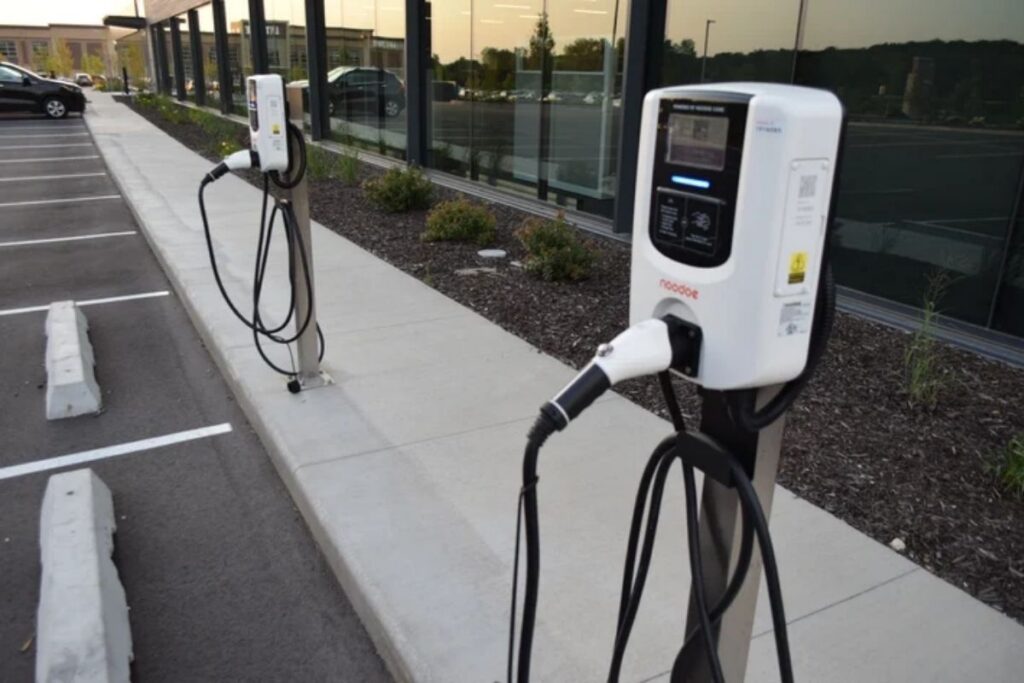
Quick answer: A home EV charger installation begins with the vehicle and driving routine, then the property’s electrical capacity and charger location. Many households benefit from Level 2 charging, but the right output and installation design depend on how much energy the car needs overnight and what the home can safely support.
Level 1 or Level 2: what fits your driving?
Level 1 uses a standard household outlet and may be enough when daily mileage is modest and the vehicle has ample time to charge. Level 2 uses a dedicated 240-volt circuit and can replenish more energy during the same parking period. Actual charging speed also depends on the vehicle’s onboard charging limit and charger settings. Compare Level 1 and Level 2 charging.
Can the electrical panel support it?
An empty breaker space does not prove that the service can support a new charger. An electrician should evaluate the panel, existing loads, circuit route, and the desired charging output. A lower-output setting or managed charging may meet the household’s needs without automatically replacing the panel. Read the panel-capacity guide.
Where should the charger go?
Consider parking position, cable reach, weather exposure, future vehicles, and the route from the panel. Garage, carport, and driveway installations have different site details. The charger and electrical materials should be selected for the intended location and installed according to the manufacturer’s instructions and local requirements.
What about permits and shared properties?
Permit and inspection needs depend on the work and local jurisdiction. Condo or multifamily properties may also require approval for parking, access, and electricity billing. Check these requirements before equipment is purchased or installed.
Get a site-specific plan
Link33 can review the home and recommend a practical charging setup for Southwest Florida driving. Request a home EV-charger quote or call 239-933-8888.
Frequently asked questions
Do I need the highest-amperage charger?
No. Match charging output to the vehicle, overnight charging window, and electrical capacity. Compare common charging outputs.
Can a charger be installed outside?
Often, yes, with equipment and installation methods rated for the actual location.