EV Chargers Public Access

Home EV Charger Installation in Florida

What Homeowners Need to Know
Can your home handle a Level 2 charger, and what should you check before installation day?
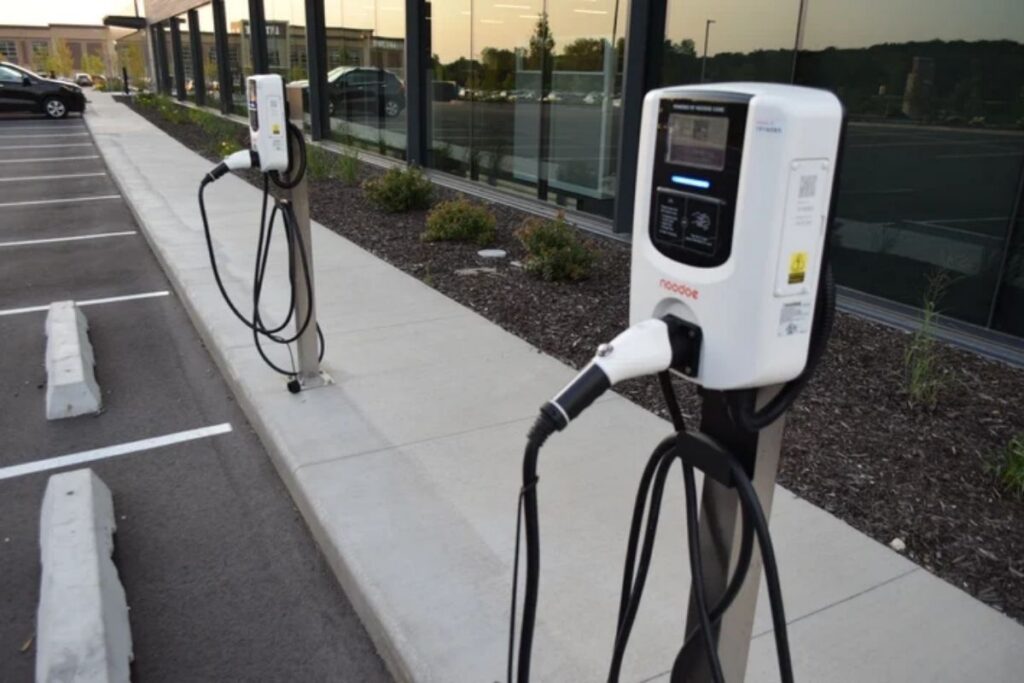
When homeowners start researching EV charger installation, the same questions come up over and over: What type of charger do I need? Where should it go? Can my electrical panel handle it? Do I need permits? And are there any incentives that help offset the cost? That pattern matches the way DOE and ENERGY STAR structure their consumer guidance for getting a home ready for EV charging. This blog walks through the practical answers, explains what matters most for Florida homeowners, and shows where a licensed electrician adds real value.

What a standby generator system actually is — and how it works

A home standby generator is a permanently installed backup power system placed outside the home, typically in a manner similar to a central A/C unit. Manufacturers describe these systems as being connected directly to the home’s electrical system and usually supplied by natural gas or liquid propane, depending on what is available at the property. That permanent connection is what separates standby systems from portable generators.

The part many homeowners do not see — but absolutely need to understand — is the automatic transfer switch, or ATS. Cummins describes the ATS as constantly monitoring utility power and, when it senses an outage, automatically transferring the load circuit to the generator. ESFI adds the safety piece: transfer switches, whether manual or automatic, are the only safe way to power a home’s electrical system because they prevent dangerous backfeeding.

In practical terms, the sequence is simple. Utility power fails, the transfer switch senses the outage, the generator starts, and the switch transfers the home from utility power to generator power. When utility service returns, the switch transfers the home back and the generator shuts down and returns to standby mode. That automation is the main reason many homeowners choose standby systems in the first place: they are built for reliability, speed, and less stress during an outage.

What homeowners should be aware of before installation

The biggest mistake homeowners make is assuming standby generator selection is just about buying “a big enough generator.” In reality, sizing starts with your must-power list. Generac’s homeowner guidance says to plan around the home’s power requirements, and local permit requirements in Collier County go even further by requiring load calculations that show both operating loads and how loads may be shed if needed. That means the right generator size depends on what you want running, what starts at the same time, and whether the system will manage larger loads strategically.

Placement matters too. Official local requirements in Collier County call for site-plan details that include the location of the generator, panel, and transfer switch, and they require documentation about exhaust location relative to windows, doors, vents, soffits, and other exterior openings. Generac also notes that installation location depends on property layout, local codes, noise considerations, and climate-related factors such as flood risk in coastal regions. In other words, the generator cannot just go wherever it looks convenient.

Permitting is another area homeowners should take seriously. Collier County’s residential emergency-generator requirements state that an electrical permit must be obtained prior to installation, and depending on the project, gas and structural permits may also be required. The required submittals can include electrical load calculations, riser diagrams, transfer-switch details, site plans, gas piping information, and pad details. For homeowners, the takeaway is simple: a standby generator system is a legitimate electrical and building project, not just a piece of equipment delivery.

What options are available — and which choices matter most

The first major choice is essential-circuit backup vs. broader whole-home coverage. Some standby systems are configured to power selected circuits only, while others are built for much wider coverage. Generac’s standby product guidance describes smaller configurations as protecting essential circuits, while larger systems paired with load-shedding equipment can extend toward whole-home coverage for many homes. This is one of the most important design decisions because it affects generator size, transfer-switch strategy, and how the home behaves during an outage.

The second major choice is fuel source. Most residential standby systems run on natural gas or liquid propane. Natural gas can be attractive where utility gas is already available, while propane may be the better fit in areas where natural gas service is not present or where homeowners prefer on-site fuel storage. The right answer depends on property conditions, fuel availability, run-time expectations, and the way the home is used.

The third major choice is air-cooled vs. liquid-cooled. Generac’s support guidance explains that air-cooled generators use fans to move air across the engine, while liquid-cooled units use enclosed radiator systems. In broad terms, homeowners usually encounter air-cooled systems more often in mainstream residential applications, while liquid-cooled systems tend to enter the conversation when properties are larger, electrical demand is higher, or the backup-power plan is more robust.

There are also feature decisions that can shape the ownership experience. Load-management devices can help larger appliances work within the system by shedding and restoring selected loads as needed, and many current standby platforms offer remote monitoring or Wi-Fi-connected status visibility. Generac notes, for example, that its air-cooled home standby units include onboard Wi-Fi and that load-management modules can help manage larger appliance loads during startup and recovery periods. These features are not the whole reason to buy a generator, but they can make the system more practical and easier to live with.

Finally, homeowners should treat maintenance as part of the decision, not an afterthought. Generac’s homeowner guidance says regular service and annual checkups are important for backup power systems, and Link33’s own services page emphasizes generator maintenance, testing, and inspections as part of long-term reliability. A standby generator is most valuable when it works the first time the grid goes down, not just when it looks good on installation day.

How Link33 helps homeowners choose the right standby generator system

The best standby generator system is not simply the biggest model or the most advertised one. It is the one that matches the home’s actual electrical needs, installation conditions, fuel setup, and outage priorities. Link33’s generator services are built around exactly those decisions: backup generator installation, automatic transfer switches, and generator maintenance, with a process that emphasizes assessment, integration, testing, and long-term reliability.

For homeowners in Southwest Florida, that local experience matters. Link33 already positions itself around standby generator installation and service in Naples and surrounding areas, and the company works at the intersection of electrical planning, transfer-switch setup, and ongoing generator support. When a homeowner wants a trusted brand recommendation, Generac is one of the platforms Link33 often recommends and prefers to install — but the bigger value is that Link33 approaches the project as a full standby power solution, not just a box outside the house.

Ready to Start a New Project?

Fastest way to reach us? Call or text. Prefer forms? We’ve got those too.

Contact Us Today