Quick answer
A plug-in surge protector helps protect the equipment connected to it. A properly installed whole-home surge protective device helps limit surges across the home’s electrical system. Neither one is a guarantee against every surge, and sensitive electronics or separate data lines may need additional protection.
Florida homeowners often use “power strip” and “surge protector” interchangeably, but they solve different problems. A basic power strip simply provides more outlets. A listed plug-in surge protector includes components designed to limit transient voltage at connected equipment. A panel-mounted whole-home surge protective device, or SPD, protects at a different point in the electrical system.
What a plug-in protector can and cannot do
Point-of-use protection is useful for TVs, computers, routers, and other electronics connected directly to the device. It does not cover appliances and equipment elsewhere in the home. A strip behind a TV cannot protect the air-conditioning system, hardwired lighting controls, pool equipment, or the electrical panel.
Check the product’s surge-protection rating and listing, follow its instructions, and avoid overloading it. A plain extension strip should not be treated as surge protection.
What whole-home surge protection covers
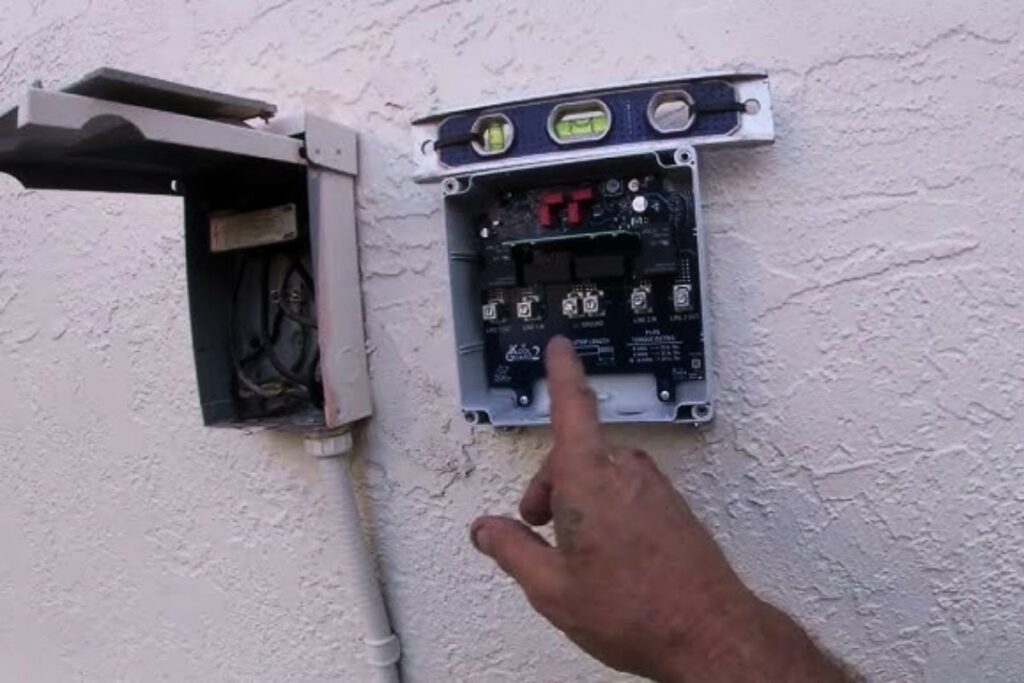
A qualified electrician typically installs a whole-home SPD at or near the main electrical service. This creates a broad first layer for circuits fed by that panel, including appliances and hardwired systems that cannot be plugged into a strip. Device selection, placement, grounding and bonding, and the home’s panel configuration affect the result.
The phrase “whole home” describes broad coverage through the electrical system; it does not mean every possible surge path is covered. Internet, cable, phone, security, and other low-voltage lines may require their own compatible protection.
Why layered protection is often the practical choice
A panel SPD and point-of-use protectors can complement each other. The panel device addresses surge energy near the service entrance; plug-in protection adds a layer for selected sensitive equipment. Specialty systems and incoming communication lines may need a separate evaluation. The right mix depends on how the property is wired and what equipment the owner wants to protect.
Surge devices also have finite service lives. Check the status indicators and manufacturer instructions, particularly after a significant electrical event. An electrician can determine whether a device has failed or should be replaced.
Frequently asked questions
Is every power strip a surge protector?
No. A basic power strip adds outlets. Choose a product specifically listed and rated for surge protection when that function is needed.
Should I keep plug-in protection after installing a panel SPD?
Often, yes. Layered protection can help sensitive electronics and equipment connected through more than one pathway. Ask an electrician to review your specific setup.
Explore Link33’s surge-protection services, learn what causes power surges, or request an electrical evaluation.